

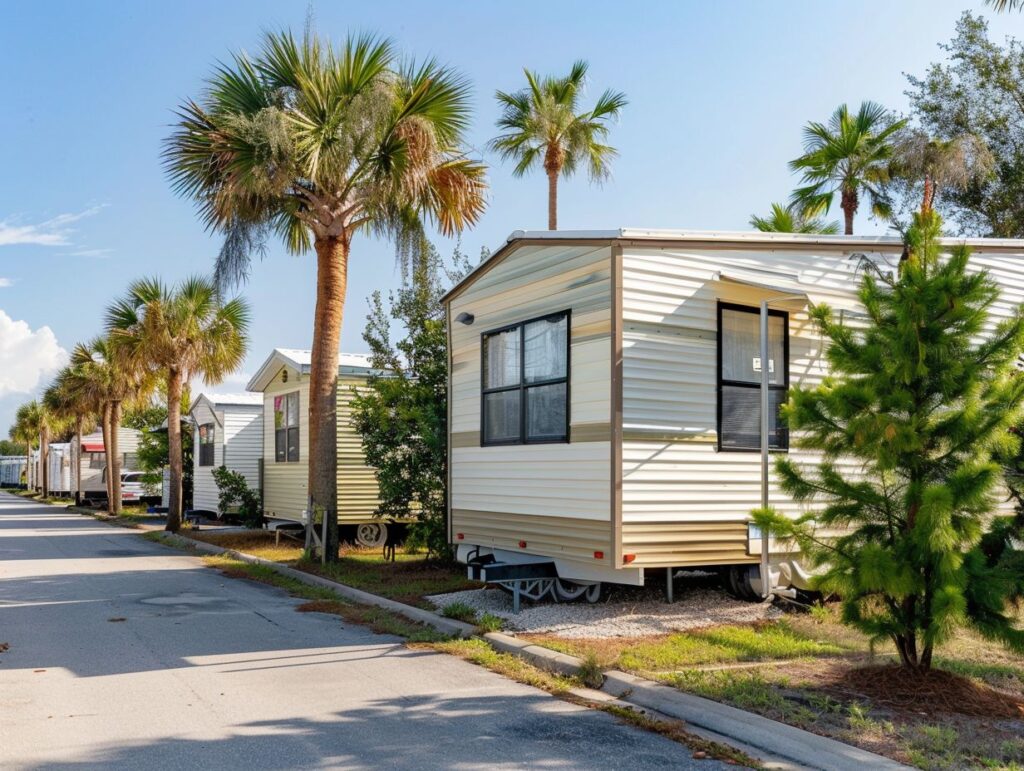
Looking to invest in real estate in Florida? Mobile homes could be a lucrative option for you.
From affordability and high demand to potential for high returns, there are numerous benefits to investing in mobile home real estate in the Sunshine State.
Before you dive in, it’s important to understand the different types of mobile homes available, how to buy and manage them, as well as the tax implications and tips for selling.
Explore all you need to know about mobile home real estate in Florida.
Key Takeaways:

- Mobile home real estate in Florida is an affordable investment option with high demand and potential for high returns.
- There are three types of mobile homes in Florida: manufactured, modular, and park model homes.
- To successfully buy and manage a mobile home in Florida, research the market, get pre-approved for financing, hire a real estate agent, and regularly maintain the property.
How to Manage and Maintain a Mobile Home Real Estate in Florida?
Managing and maintaining a mobile home real estate in Florida involves finding reliable tenants, conducting regular maintenance and repairs, and keeping track of expenses and income to ensure a profitable investment.
1. Find Reliable Tenants
It is crucial for the successful management of mobile home real estate in Florida to find reliable tenants. This ensures consistent rental income and minimizes property damage.
Implementing thorough tenant screening measures is essential for identifying trustworthy individuals to occupy the property. Conducting comprehensive background checks can uncover any past criminal history or eviction records that may be concerning.
Requesting credit reports can provide insight into the potential tenant’s financial responsibility and ability to pay rent on time. Contacting references from previous landlords can offer valuable feedback on their history as tenants.
Establishing clear rental terms from the start and maintaining open communication with tenants can help prevent misunderstandings and foster a positive landlord-tenant relationship.
2. Regular Maintenance and Repairs

Routine maintenance and timely repairs are essential for maintaining a mobile home in good condition and preserving its value over time.
Setting up a regular maintenance schedule allows for staying on top of tasks such as inspecting the roof for leaks, checking the HVAC system, and ensuring all plumbing is in working order.
Addressing issues promptly, whether it’s a leaky faucet or a malfunctioning appliance, can prevent small problems from escalating into more significant repairs. This not only helps avoid costly damage but also contributes to tenant satisfaction by providing a safe and comfortable living environment.
3. Keep Track of Expenses and Income
It is essential for the financial management of mobile home real estate in Florida to keep track of expenses and income. This helps in monitoring profitability and making informed decisions.
There are several methods available for effectively tracking financial transactions. Using software tools like QuickBooks or FreshBooks can streamline the process and offer detailed insights into financial data. By implementing sound accounting practices, such as regular account reconciliation and accurate transaction categorization, the accuracy of records can be ensured.
Maintaining precise financial records not only aids in day-to-day management but also plays a critical role in tax compliance and financial planning. Through meticulous record-keeping, cash flows can be easily tracked, trends identified, and the overall financial strategy optimized.
What are the Tax Implications of Owning Mobile Home Real Estate in Florida?
Owning mobile home real estate in Florida involves different tax implications, such as property taxes and income taxes, that may affect the overall profitability of the investment.
1. Property Taxes
Property taxes for mobile homes in Florida are assessed based on the home’s value and location, requiring owners to stay informed about local tax rates and regulations.
The calculation of property taxes typically involves multiplying the assessed value of the mobile home by the millage rate set by the county or municipality. The county tax assessor plays a crucial role in determining the assessed value, taking into account factors such as the home’s age, size, and condition.
To stay updated on tax rates and regulations, mobile home owners can regularly check the county assessor’s website for any changes or attend local tax information sessions. Understanding how property taxes are calculated can help owners effectively budget for these expenses.
2. Income Taxes
Income taxes on rental income from mobile homes in Florida must be reported to the IRS. This will impact the individual’s overall tax liability and necessitate careful financial management.
Reporting rental income from mobile homes involves completing Schedule E of the tax return form. This section requires detailed information on the income earned and expenses incurred.
Deductions, such as property taxes, insurance, maintenance costs, and depreciation, can be utilized to reduce taxable income. To further minimize tax liability, individuals may consider structuring their investments in mobile homes through a partnership or LLC.
Maintaining accurate records of income and expenses is essential for precise reporting and maximizing profitability. Seeking assistance from a tax professional can offer valuable insights on navigating the complexities of tax laws concerning rental income from mobile homes.
What are the Tips for Selling a Mobile Home Real Estate in Florida?
Selling a mobile home real estate in Florida involves several key steps, such as:
- Pricing it appropriately
- Staging the home
- Advertising effectively
- Considering the benefits of hiring a real estate agent to facilitate the sale
1. Price it Right
Determining the appropriate pricing for your mobile home is essential to appeal to potential buyers and facilitate a swift sale in the competitive Florida real estate market.
One recommended approach for establishing the correct price point involves conducting a comparative market analysis. This process entails researching recently sold mobile homes in your vicinity that are similar to yours. Through evaluating these comparable properties, you can acquire valuable information about the prevailing market conditions and tendencies.
Moreover, maintaining competitive pricing is crucial to draw in prospective buyers. By presenting a reasonable and competitive price, you enhance the chances of piquing interest and receiving prompt offers.
2. Stage the Home
Effectively staging a mobile home can significantly improve its curb appeal and attract potential buyers by highlighting its best features.
To successfully stage a mobile home, begin by decluttering each room to create a sense of spaciousness and help buyers envision themselves living in the space. Address any minor issues, such as leaky faucets or chipped paint, by making necessary repairs. Improving the interior with neutral colors, fresh linens, and tasteful decor can enhance the overall appeal of the home.
Emphasize enhancing the exterior aesthetics by maintaining the landscaping, adding potted plants, and ensuring the entryway is inviting. Effective staging can positively impact buyer perception and help your mobile home stand out in a competitive market.
3. Advertise Effectively

Effective advertising is important for reaching a broad audience and generating interest in a mobile home sale, making use of online presence and social media platforms. Plus online listings and social media marketing, incorporating traditional advertising methods like flyers, yard signs, and local publications can also help increase the visibility of the mobile home sale.
Beyond just promoting the home, high-quality photography and virtual tours play a crucial role in capturing the attention of potential buyers. Eye-catching visuals can make a significant difference in attracting interested parties and distinguishing the listing from the competition. Leveraging these advertising strategies together can increase the likelihood of a successful sale.
4. Consider Hiring a Real Estate Agent
Engaging a real estate agent specializing in mobile home sales can streamline the selling process and ensure optimal pricing for your property. These professionals possess comprehensive knowledge of local market trends and property values, aiding in setting a competitive listing price and attracting potential buyers effectively. Their adept negotiation skills are beneficial in finalizing deals at favorable prices.
Collaborating with a reputable agent experienced in mobile home sales provides access to a broad network of interested buyers, enhancing the likelihood of a swift and successful sale.
To locate such an agent, consider seeking recommendations from acquaintances or relatives, perusing online reviews, and interviewing multiple agents to secure the best match for your requirements.
Frequently Asked Questions
What is the difference between a mobile home and a traditional home in Florida?
A mobile home, also known as a manufactured home, is a type of housing that is built off-site and transported to a specific location. It is typically smaller and more affordable than a traditional home in Florida, which is built on a permanent foundation.
Do I need a real estate agent to handle the sale of a mobile home in Florida?
While it is not required, it is highly recommended to work with a real estate agent when buying or selling a mobile home in Florida. They can provide valuable expertise and guidance throughout the process, ensuring a smooth transaction.
Can I finance a mobile home in Florida?
Yes, it is possible to obtain financing for a mobile home in Florida. However, the process may be more complex compared to financing a traditional home. It is best to work with a lender who specializes in mobile home loans.
Are there any specific regulations I should be aware of when handling mobile home real estate in Florida?
Yes, there are specific regulations and laws that govern the buying and selling of mobile homes in Florida. These may include requirements for inspections, titles, and taxes. It is important to do thorough research or consult with a professional to ensure compliance.
What are some key factors to consider when buying a mobile home in Florida?
Some important factors to consider when buying a mobile home in Florida include the condition of the home, the location and community it is situated in, and potential additional fees such as lot rent or homeowner’s association fees. It is also important to carefully review the terms of the purchase agreement.
What should I do if I encounter legal issues with a mobile home purchase in Florida?
If you encounter any legal issues with a mobile home purchase in Florida, it is best to seek the advice of a real estate attorney who has experience handling mobile home transactions. They can help protect your rights and ensure a fair resolution to any disputes.
















Rate this article:
Average rating 0 / 5. Vote count: 0
No votes so far! Be the first to rate this post.
No Comments yet!