

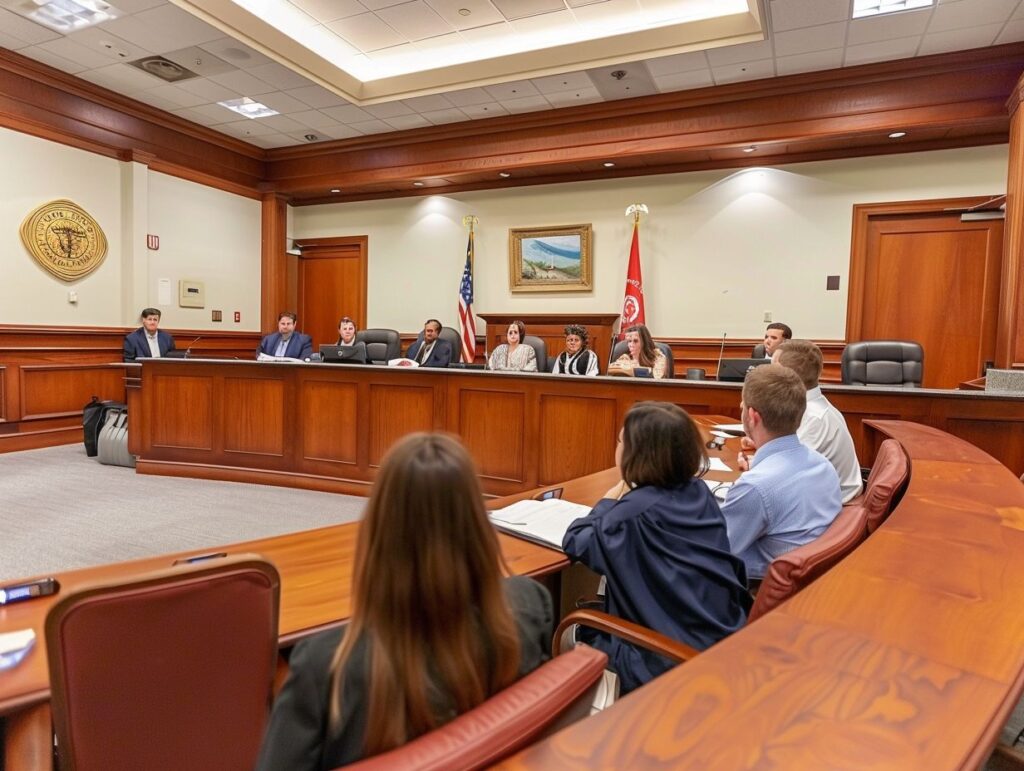
Insurance bad faith can have a significant impact on personal injury cases in Florida. Understanding this concept is crucial for those navigating insurance claims.
We will explore what insurance bad faith entails, how it affects personal injury cases, and the steps to proving it in Florida.
Discover the possible remedies for bad faith, the role of a personal injury attorney, and tips for preventing it.
Stay tuned to learn more!

How Does Insurance Bad Faith Affect Personal Injury Cases?
Insurance bad faith has the potential to have a significant impact on personal injury cases. This impact can complicate the claims process and may lead to potential delays or reductions in the compensation that plaintiffs, especially those in Florida, are entitled to under the law.
What Are the Signs of Insurance Bad Faith?
Indicators of insurance bad faith include unreasonable delays in processing claims, denying coverage without a valid reason, and failing to conduct a proper investigation into the claims presented by policyholders.
These signs can be displayed in various ways, such as insurance companies disregarding crucial evidence supporting a claim, undervaluing damages, or unreasonably delaying claim payments.
For example, in the case of Harvey v. GEICO, the court determined that the insurer acted in bad faith by unreasonably delaying the settlement of a claim and failing to properly investigate the damages incurred by the policyholder.
This legal precedent underscores the importance of insurers fulfilling their obligations diligently and in good faith to policyholders.
What Are the Consequences of Insurance Bad Faith?
The consequences of insurance bad faith can be severe, including financial damages to policyholders, delayed settlements, and increased litigation costs. When an insurer is found to have acted in bad faith, it can lead to significant repercussions for both parties involved. For the insured, identifying bad faith may result in the ability to seek compensatory damages to cover any losses incurred due to the insurer’s misconduct.
Punitive damages may be awarded to punish the insurer for their wrongful actions, serving as a deterrent to prevent future misconduct. From the insurer’s perspective, being accused of bad faith can tarnish their reputation and lead to substantial financial liabilities in terms of compensatory and punitive damages. This can also impact the settlement process by prolonging negotiations and potentially resulting in costly legal battles.
What Are the Steps to Proving Insurance Bad Faith in Florida?
Establishing insurance bad faith in Florida requires several key steps, such as demonstrating a duty of good faith and fair dealing, evidencing the insurance company’s breach of that duty, and proving the resulting damages.
Step 1: Establishing a Duty of Good Faith and Fair Dealing
The initial step in establishing insurance bad faith is to confirm that the insurance company has a duty of good faith and fair dealing towards the policyholder, as required by Florida law.
This duty of good faith and fair dealing is not only a moral obligation but also a legal requirement inherent in insurance contracts. It dictates that the insurer must act honestly, fairly, and in good faith when handling the policyholder’s claims and benefits.
Failure to fulfill this duty could lead to a breach of contract, resulting in legal repercussions. Instances of breaching good faith may include unjustly denying or delaying a valid claim, offering settlements significantly below the claim’s true value, or neglecting to thoroughly investigate claims.
Step 2: Showing the Insurance Company’s Breach of Duty

Demonstrating the insurance company’s breach of duty involves showing that the insurer failed to act in good faith by denying a valid claim, delaying settlement, or neglecting proper investigation.
Legally, breaching the duty of good faith and fair dealing in the insurance realm encompasses actively avoiding payout on a valid claim, not promptly responding to claim-related communications, or intentionally misinterpreting policy provisions to the insured’s disadvantage.
In the Harvey v. GEICO case, for instance, the insured successfully argued that the insurer breached its duty by unreasonably prolonging the claim settlement process, resulting in additional damages for the insured.
These breaches are typically established in court through evidence of the insurer’s actions or inaction, often requiring expert opinions and testimony to prove the breach and its consequences.
Step 3: Proving Damages Caused by the Breach
Establishing damages resulting from the insurance company’s failure to fulfill its duties involves demonstrating that the policyholder experienced financial losses or other detriments directly caused by the insurer’s acts of bad faith.
These damages can cover a range of losses, from concrete financial expenses like medical bills and property damage to intangible consequences such as emotional distress or mental suffering.
Apart from seeking reimbursement for these losses, policyholders might also have the right to recoup additional legal fees accrued due to the insurer’s wrongful behavior.
It is essential to document and gather evidence supporting the extent of these damages, which may include receipts, invoices, medical records, communications with the insurer, and any other pertinent records that can bolster the claim for compensation.
What Are the Possible Remedies for Insurance Bad Faith in Florida?
Potential remedies for insurance bad faith in Florida include monetary damages, punitive damages, and recovery of attorney’s fees and costs. These remedies are designed to compensate the policyholder and discourage future misconduct by the insurer.
Monetary Damages
Monetary damages in insurance bad faith cases are intended to reimburse the policyholder for real financial losses incurred because of the insurer’s improper actions. Calculating monetary damages entails evaluating the specific losses experienced by the policyholder, such as medical costs, property damage, lost earnings, and emotional suffering.
In Florida, successful claims for monetary damages have involved situations where policyholders were denied legitimate claims, resulting in substantial financial repercussions.
For example, there have been cases where insurers declined to cover essential medical treatments, resulting in further health issues and expenses. These instances underscore the importance of holding insurers responsible for their conduct and ensuring that policyholders are granted the compensation they are rightfully owed.
Punitive Damages
Punitive damages in insurance bad faith cases are designed to penalize the insurer for severe misconduct and discourage similar actions in the future. These damages extend beyond compensatory awards, centering on the defendant’s behavior rather than the plaintiff’s losses.
In Florida, meeting the criteria for punitive damages requires demonstrating that the defendant engaged in intentional misconduct or gross negligence. An illustrative instance of punitive damages being granted in Florida is the Anderson v. Allstate Insurance Co. case. In this case, the court determined that the insurer’s purposeful delay in payment constituted bad faith and justified punitive damages to prevent such behavior in the future.
Attorney’s Fees and Costs
In instances of insurance bad faith, policyholders may have the right to seek reimbursement for attorney’s fees and costs accrued while pursuing legal action against the insurer. This provision is designed to create a more balanced environment for policyholders, who often face challenges when going up against large insurance companies.
According to Florida law, policyholders can recover attorney’s fees and costs if they successfully demonstrate that the insurer acted in bad faith by unreasonably denying or delaying legitimate claims. For example, in Blanchard v. State Farm Mutual Automobile Insurance Co., the Florida Supreme Court ruled that attorney’s fees could be granted to the policyholder as a result of the insurer’s bad faith behavior in handling a claim.
How Can a Personal Injury Attorney Help with an Insurance Bad Faith Claim?

A personal injury attorney can offer valuable assistance in managing an insurance bad faith claim. They bring expertise in dealing with the intricacies of insurance law and advocating for the rights of the policyholder in Florida litigation.
Gathering Evidence
One of the primary responsibilities of a personal injury attorney in an insurance bad faith claim involves collecting evidence to bolster the policyholder’s argument.
This evidence can come in different shapes and forms, such as communication records that document conversations between the policyholder and the insurance firm, claim paperwork that delineates the details of the policy and its coverage, and expert testimony from professionals in pertinent fields.
Attorneys methodically gather and arrange this evidence to construct a robust case. They verify that the evidence is admissible and present it convincingly in court to support the policyholder’s assertions and showcase the insurance company’s misconduct.
Negotiating with the Insurance Company
Personal injury attorneys have the expertise to negotiate with insurance companies for a fair settlement in cases involving bad faith. Throughout the negotiation process, attorneys utilize various strategies to represent the best interests of their clients.
They analyze policy details, gather evidence, and assess damages to construct a strong case. By emphasizing the strength of their client’s claim and presenting it convincingly, attorneys strive to achieve a positive outcome.
Policyholders should anticipate discussions, counteroffers, and evaluations during the negotiation process. Having legal representation is essential as attorneys possess knowledge of complex legal matters and experience in navigating negotiation complexities to secure a fair resolution.
Filing a Lawsuit
If negotiations break down, a personal injury attorney has the option to initiate a lawsuit against the insurance company for bad faith in Florida. During this process, the attorney will meticulously prepare all required legal documentation, including the complaint detailing the policyholder’s claims of bad faith.
After the lawsuit is officially filed, the legal proceedings begin, which entail various stages like discovery where both parties exchange pertinent information, and pretrial motions to address legal matters before the trial takes place.
Throughout the litigation process, the attorney plays a critical role in advocating for the policyholder’s interests, presenting arguments in court, discussing potential settlements, and ensuring the protection of the client’s rights.
What Can Be Done to Prevent Insurance Bad Faith?
Preventing insurance bad faith entails proactive measures by policyholders, such as conducting thorough research on insurance companies, understanding their policies, and seeking legal assistance when needed.
Researching Insurance Companies
Researching insurance companies before purchasing a policy can help policyholders avoid insurers with a history of bad faith practices.
One effective way to delve into the reputation of insurance companies is by checking customer reviews on platforms like consumer review websites, social media, and forums. These platforms provide valuable insights into the experiences of real customers with the company.
It’s also crucial to assess the financial stability of an insurer by looking at their ratings from independent rating agencies like A.M. Best, Standard & Poor’s, or Moody’s. Checking any history of complaints or lawsuits filed against the company with state insurance departments or the National Association of Insurance Commissioners can offer important information to inform your decision.
Reading and Understanding Insurance Policies

It is important for policyholders to thoroughly read and understand the terms of an insurance policy to avoid misunderstandings and potential bad faith actions by the insurer.
By carefully reviewing the policy documents, individuals can ensure they understand what is covered, what is excluded, and any limitations or conditions that may apply. It is advisable to pay attention to key sections such as coverage limits, deductibles, exclusions, and renewal terms.
If there are any unclear terms or language, seeking clarification from the insurance company or consulting with a legal professional specializing in insurance law can help prevent misinterpretations and ensure a full comprehension of the policy.
Seeking Legal Help
Obtaining legal assistance early on in a policy dispute can help prevent insurance bad faith by ensuring that policyholders’ rights are upheld and that they are treated fairly.
When individuals encounter complex insurance issues, such as denied claims, delayed payments, or disputes over coverage, seeking advice from a lawyer can offer valuable guidance and assistance. Legal professionals possess a thorough knowledge of insurance laws and regulations, enabling them to navigate policy language intricacies and potential legal loopholes.
For instance, in situations where an insurance company unjustly denies a legitimate claim, a lawyer can step in to support the policyholder’s rights and negotiate for a just resolution. By proactively engaging with a lawyer, policyholders can significantly reduce the likelihood of being subjected to insurance bad faith practices.
Frequently Asked Questions
What is insurance bad faith and how does it impact Florida personal injury cases?
Insurance bad faith refers to a situation where an insurance company acts in a dishonest or unfair manner towards its policyholders. In Florida, this can have a significant impact on personal injury cases as it can result in delayed or denied compensation for injured individuals.
What are some examples of insurance bad faith in Florida personal injury cases?
Examples of insurance bad faith in Florida personal injury cases include denying legitimate claims without proper investigation, delaying the payment of benefits, and offering unreasonably low settlement offers.
How does insurance bad faith affect the outcome of a personal injury case in Florida?
If an insurance company is found to have acted in bad faith, it can significantly impact the outcome of a personal injury case. This can result in the insurance company being held liable for additional damages, as well as facing legal consequences for their actions.
What can I do if I believe I am a victim of insurance bad faith in my Florida personal injury case?
If you suspect that your insurance company is acting in bad faith, it is important to seek legal advice from an experienced personal injury attorney. They can help you gather evidence and build a case against the insurance company to ensure you receive fair compensation for your injuries.
Is there a time limit for filing a claim against an insurance company for bad faith in Florida personal injury cases?
Yes, there is a statute of limitations for filing a bad faith claim against an insurance company in Florida. In most cases, the time limit is five years from the date of the bad faith action. It is important to consult with an attorney as soon as possible to ensure your claim is filed within the appropriate timeframe.
Can I receive punitive damages in a Florida personal injury case if the insurance company acted in bad faith?
Yes, if an insurance company is found to have acted in bad faith, a jury may award punitive damages to the injured party. These damages are meant to punish the insurance company for their dishonest or unfair actions and deter them from engaging in similar behavior in the future.

















Rate this article:
Average rating 0 / 5. Vote count: 0
No votes so far! Be the first to rate this post.
No Comments yet!