

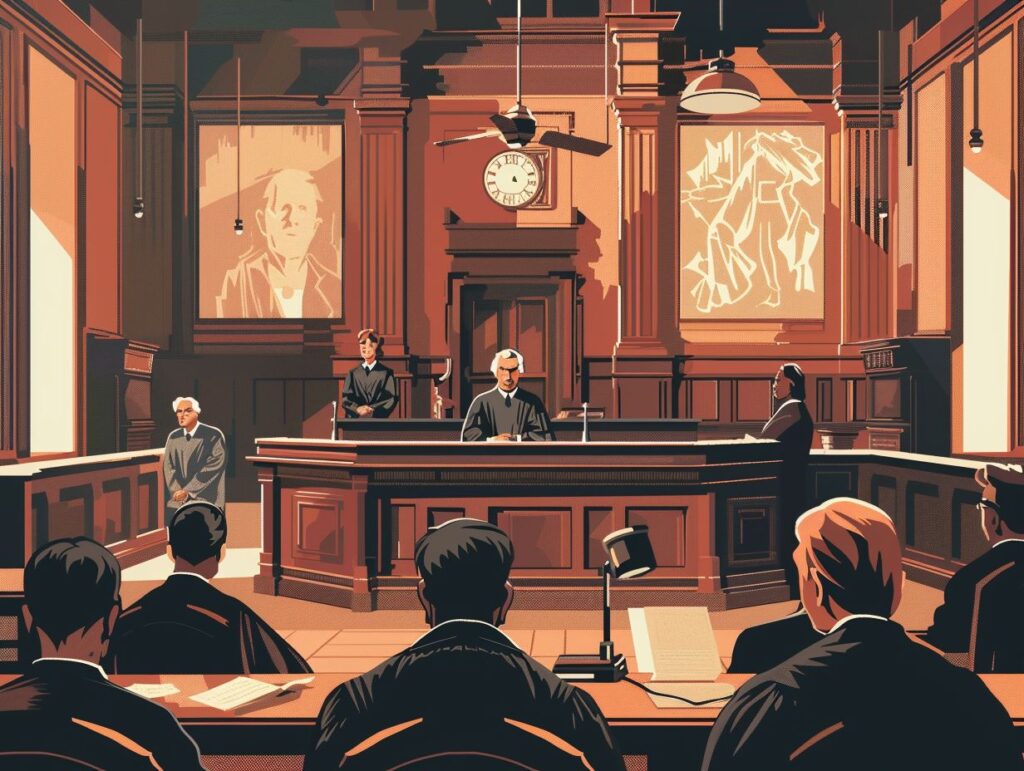
Are you familiar with what constitutes a breach of contract?
In this comprehensive article, we will explore the key elements of a breach of contract, including the types of breaches that can occur.
We will also delve into the remedies available for breach of contract, such as damages and specific performance.
We will discuss the statute of limitations for breach of contract in Florida and the common defenses that can be raised in a breach of contract lawsuit.
Stay tuned to gain a better understanding of Florida’s breach of contract laws.
Key Takeaways:

- In Florida, a breach of contract occurs when one party fails to fulfill their obligations in a valid contract.
- There are three types of breach of contract: material, minor, and anticipatory. Each may result in different remedies for the other party.
- Defenses against a breach of contract lawsuit in Florida include lack of capacity, duress, illegality, and mistake.
What is a Breach of Contract?
A breach of contract occurs when a party fails to fulfill their obligations under a legally binding agreement, which can lead to disputes and legal consequences handled by experienced attorneys such as those at Boyer Law Firm and Campbell Law Group.
When faced with a breach of contract situation, it is crucial to understand the legal rights and remedies available to the affected party. Attorneys play a crucial role in interpreting the terms of the contract and advising clients on the best course of action to take.
They can assist in negotiating settlements, drafting legal documents, and representing clients in court if necessary. Both Boyer Law Firm and Campbell Law Group have a track record of success in handling breach of contract cases, ensuring that their clients’ interests are protected and that justice is served.
What Are the Elements of a Breach of Contract?
Understanding a breach of contract requires recognizing the elements that make up a valid contract: a valid offer, acceptance, and consideration, as well as the performance obligations of the parties involved in the contract.
1. Valid Contract
A valid contract is one that includes a valid offer, acceptance, and consideration, all of which are essential components as defined by the Legal Information Institute.
An offer in a contract signifies the willingness of one party to enter into a specific agreement with another party under certain terms. It must be definite, communicated, and show an intention to create legal relations. Acceptance, on the other hand, is the unqualified agreement to the terms of the offer.
For a contract to be binding, acceptance must be communicated and match the terms of the offer. Consideration is what each party gives up in exchange for the promise of the other. It could be a promise, an act, or forbearance.
2. Performance Obligation
A performance obligation pertains to the duties and actions that each party must carry out according to the terms of a contract. Failure to meet these obligations may result in a legal claim from the non-breaching party.
These obligations are central to a contractual agreement and play a critical role in ensuring that each party honors their commitments and duties. They establish accountability and help uphold the integrity of the contract.
Failure to fulfill a performance obligation can lead to disagreements, financial setbacks, and harm to the business relationship between the parties. Non-performance or incomplete performance of obligations could potentially lead to legal disputes, financial penalties, or contract termination. This underscores the importance of adhering to these obligations within the framework of contract law.
3. Breach of Contract
A breach of contract occurs when one party does not fulfill their contractual obligations, prompting the affected party to consider breach claims to protect their legal rights. This can happen in various scenarios, such as a failure to deliver goods or services as agreed upon, not meeting quality standards, missing deadlines, or even refusing to pay for services rendered.
When faced with a breach of contract, the affected party should first review the terms of the agreement to ensure the breach is indeed a violation of the contract terms. It is essential to gather evidence, such as contracts, emails, invoices, and any other relevant documentation to support the breach claim.
Seeking legal advice to understand the next steps and options available, such as negotiation, mediation, or pursuing legal action, is crucial in resolving the breach of contract effectively.
What Are the Types of Breach of Contract?
Violation of contract can occur in various ways, such as material breach, minor breach, and anticipatory breach, each carrying different legal consequences that may necessitate the assistance of a contract lawyer to handle.
1. Material Breach

A material breach is a significant violation of the contract, often leading to substantial damages, as illustrated in cases like Holley v. Mount Vernon Tankship Co.
Such breaches typically involve a failure to perform a key obligation agreed upon in the contract. For example, if a party fails to deliver goods within the specified timeframe or significantly deviates from the agreed specifications, it could be considered a material breach.
In legal terms, a material breach gives the non-breaching party the right to pursue legal remedies such as seeking monetary damages or termination of the contract. Courts may enforce specific performance or compensatory damages to remedy the harm caused by the breach.
2. Minor Breach
A minor breach refers to a situation where one party fails to fulfill a small aspect of the contract, typically resulting in incidental damages and less severe breach claims.
For instance, if a construction contractor does not complete a minor finishing detail on schedule, such as the installation of a specific light fixture, it could be classified as a minor breach. While the consequences of minor breaches may not be as significant as major breaches, they can still lead to frustration and financial losses for the other party involved.
Potential remedies for minor breaches include negotiating for additional compensation, adjusting the completion timeline, or seeking legal advice to enforce the contract terms.
3. Anticipatory Breach
An anticipatory breach, also known as anticipatory repudiation, occurs when one party indicates they will not fulfill their contractual obligations. This allows the other party to seek legal remedies immediately, often leading to business litigation.
This situation can have significant implications for the non-breaching party. It grants them the right to consider the contract terminated and to promptly pursue damages. In such scenarios, the non-breaching party is relieved of the obligation to perform their own duties under the contract.
They can choose to either acknowledge the anticipatory breach and seek damages or delay legal action until the actual time of performance. The legal rights of the non-breaching party are structured to safeguard their interests and ensure equitable compensation in cases of breach.
What Are the Remedies for Breach of Contract?
In cases of a breach of contract, the non-breaching party has access to various remedies such as damages, specific performance, rescission, and reformation, each offering distinct forms of relief in accordance with contract law.
1. Damages
Damages are a form of monetary compensation awarded to the non-breaching party in a legal dispute. Different types of damages include compensatory damages, punitive damages, liquidated damages, and nominal damages.
Compensatory damages are designed to reimburse the injured party for the losses they incurred as a result of the breach of contract, such as medical expenses or property damage. On the other hand, punitive damages are intended to penalize the breaching party for their wrongdoing and discourage similar behavior in the future.
Liquidated damages are predetermined amounts specified in the contract to be paid if a specific breach occurs, providing clarity on potential losses. Nominal damages are symbolic in nature and are typically awarded in cases where a legal wrong has been committed but no actual financial loss has been suffered.
2. Specific Performance
Specific performance is a legal remedy in which the breaching party is compelled to fulfill their contractual obligations. This remedy is particularly useful when monetary damages are deemed insufficient, as outlined in Florida Statutes.
Specific performance is especially relevant in cases involving unique assets or properties, such as rare artworks or distinctive real estate. In these situations, monetary compensation alone may not adequately compensate the aggrieved party. Specific performance serves to ensure that the promised goods or services are delivered as originally agreed upon, allowing the innocent party to receive the benefits outlined in the initial contract.
Unlike damages, which may not fully restore the intended outcome, specific performance guarantees that the contract is enforced as originally intended. This way, there is no need to settle for a lesser substitute.
3. Rescission
Rescission is a legal process that allows the non-breaching party to terminate a contract and return both parties to their pre-contractual positions, effectively canceling the agreement.
This process acts as a sort of legal undo button, restoring the parties to the state they were in before the contract was formed. It is usually appropriate in cases of a material breach of contract, where one party fails to fulfill its obligations, rendering it impossible for the other party to continue with the agreement.
In such situations, rescission offers a way to revert the parties to their original positions, undoing any harm or disadvantage caused by the breach. Legally, rescission indicates that the contract is voided, releasing the parties from any further obligations under it.
4. Reformation

Reformation is the process of modifying a contract to accurately reflect the true intentions of the involved parties. It is often utilized in cases of mutual mistake or misrepresentation and is a common remedy in business litigation.
In situations where a contract contains errors or where one party has been deceived, reformation can be used to address these issues. By allowing adjustments to the contract to align with the actual intentions of the parties, reformation aims to promote fairness and equity.
This remedy can be particularly useful in intricate business agreements with high stakes, as it offers a legal mechanism to rectify misunderstandings and ensure that both parties are bound by the terms they genuinely agreed upon.
What is the Statute of Limitations for Breach of Contract in Florida?
In Florida, the statute of limitations for filing a breach of contract claim is governed by Florida statutes, typically allowing a period of five years for written contracts and four years for oral contracts. Missing the deadline set by the statute of limitations can have serious legal implications. It is crucial for individuals and businesses to be aware of these timeframes to ensure that their rights are protected.
Different types of contracts may have varying limitations, so it is essential to carefully review the specifics of each agreement. Failing to file a claim within the prescribed timeframe can result in the loss of the ability to seek legal remedies for breaches of contract. It is advisable to seek legal counsel promptly if there is a potential breach to avoid missing critical deadlines.
What Are the Defenses Against a Breach of Contract Lawsuit?
Various defenses can be raised against a breach of contract lawsuit, such as lack of capacity, duress, illegality, and mistake, each offering legal grounds to dispute the validity of the breach claims.
1. Lack of Capacity
The lack of capacity is a defense used when a party asserts that they were not legally capable of entering into a valid contract, thereby invalidating the agreement and potentially nullifying any breach claims. This defense is commonly raised in cases involving minors, individuals with mental incapacities, or those under the influence of drugs or alcohol.
For instance, if a minor enters into a contract to buy a car, they may claim lack of capacity due to their age. Similarly, if a person with severe mental illness signs a lease agreement but lacks the mental capacity to comprehend its terms, lack of capacity could serve as a legitimate defense. The primary objective of this defense is to safeguard parties who are unable to make informed and rational decisions when entering into contracts.
2. Duress
Duress occurs when a party is compelled to enter into a contract under threats or coercion, which can serve as a defense against breach claims by asserting that the contract was not entered into voluntarily.
In legal terms, duress can take different forms, including physical harm, blackmail, or economic pressure imposed by one party on another. To establish duress in a legal setting, the affected party must show that the threats or coercion were significant enough to override their free will.
Courts typically consider evidence of power imbalances or leverage disparities between the parties. If duress is proven, the contract may be deemed voidable, allowing the party under duress to avoid its obligations without repercussions.
3. Illegality
The defense of illegality in contract law asserts that if a contract involves illegal activities, it is considered void and unenforceable. This results in any claims of breach of contract being deemed invalid.
A contract may be deemed illegal if it involves activities like drug trafficking, gambling, or any other criminal activity. Contracts that contravene public policy or are considered morally objectionable can also fall under the category of illegality.
When a party raises the defense of illegality, the court typically declares the contract unenforceable. As a result, neither party can enforce the terms of the contract or seek damages for any breaches. It is essential for individuals and businesses to ensure that their contracts comply with the law to avoid potential legal ramifications in the future.
4. Mistake
A mistake defense occurs when both parties are operating under a mutual misunderstanding regarding a fundamental aspect of the contract, which could potentially render the agreement invalid and void any subsequent breach claims.
In contrast, a unilateral mistake happens when only one party is mistaken about a crucial element in the contract. This type of mistake may not automatically invalidate the contract but can be contested in court to seek remedies or rescission.
From a legal perspective, mutual mistakes typically involve facts unknown to both parties, while unilateral mistakes generally arise from oversight or misinterpretation by one party. It is crucial to differentiate between these mistakes to understand the legal implications and available defenses in breach of contract cases.
Frequently Asked Questions

What is a breach of contract lawsuit in Florida?
A breach of contract lawsuit in Florida is a legal claim brought by one party against another for failing to uphold the terms of a legally binding agreement. This can include failure to perform a promised action, failure to pay a promised amount, or failure to meet any other obligation outlined in the contract.
What are the elements of a breach of contract claim in Florida?
In order to prove a breach of contract claim in Florida, the plaintiff must establish four elements: (1) the existence of a valid contract, (2) the plaintiff’s performance or willingness to perform their obligations under the contract, (3) the defendant’s failure to perform their obligations under the contract, and (4) damages resulting from the breach.
What are the potential damages in a breach of contract lawsuit in Florida?
The types of damages that can be sought in a breach of contract lawsuit in Florida include compensatory damages, which are intended to put the plaintiff in the position they would have been in if the contract had been fulfilled, and consequential damages, which are intended to cover any additional losses or harm caused by the breach.
Can a party still be held liable for a breach of contract if there is no written agreement?
Yes, a party can still be held liable for a breach of contract even if there is no written agreement. In Florida, verbal contracts are considered legally binding as long as the essential terms and conditions can be proven. However, having a written contract can make it easier to prove the terms of the agreement in court.
Is there a time limit for filing a breach of contract lawsuit in Florida?
Yes, there is a time limit, or statute of limitations, for filing a breach of contract lawsuit in Florida. The length of time varies depending on the type of contract and other factors, but it is generally between four and six years from the date of the breach. It is important to consult with a lawyer to determine the specific deadline for your case.
Do I need a lawyer to handle a breach of contract lawsuit in Florida?
While it is possible to handle a breach of contract lawsuit on your own, it is highly recommended to seek legal counsel. A lawyer can provide valuable guidance and representation throughout the legal process, and help you navigate the complexities of Florida’s breach of contract laws to ensure the best possible outcome for your case.
















Rate this article:
Average rating 1 / 5. Vote count: 1
No votes so far! Be the first to rate this post.
No Comments yet!